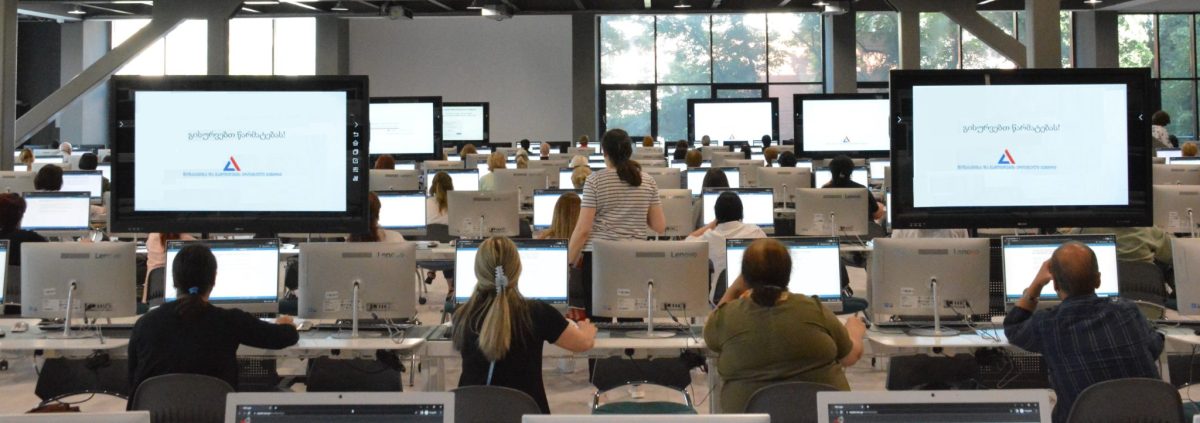
World Bank / Georgia I2Q Project
Under the World Bank–funded Georgia I2Q Innovation, Inclusion, and Quality Project, Publicity Group was contracted by the Project Management Unit of the Ministry of Education and Science to develop a five-year communication strategy and a 24-month action plan. The assignment began with an extensive assessment process, including data collection, desk research, stakeholder analysis, and individual and group consultations. Based on these findings, we drafted a comprehensive strategy defining goals, target audiences, key messages, communication tactics, budgets, crisis planning, and evaluation methodologies.
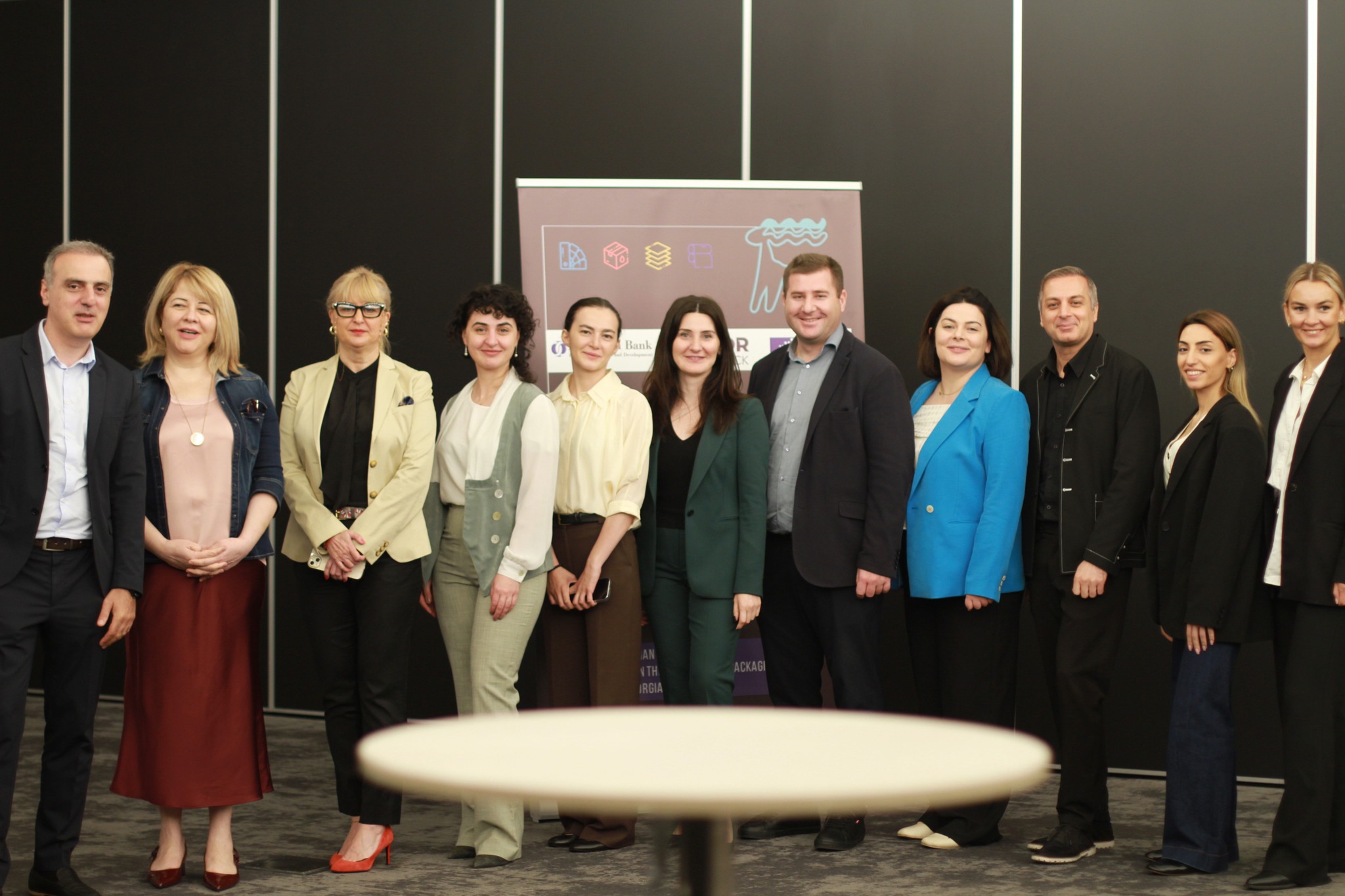
Strengthening Strategic Communication Capabilities of Elections and Political Process Organizations
Publicity Group served as a sub-implementer alongside TBSC Consulting under the Georgia Human and Institutional Capacity Development Activity led by Kaizen, a Tetra Tech company. The assignment focused on strengthening the strategic communication capacities of leading organizations working on elections and political processes, including ISFED, GYLA, Transparency International Georgia, EECMD, GIP, and PMMG.
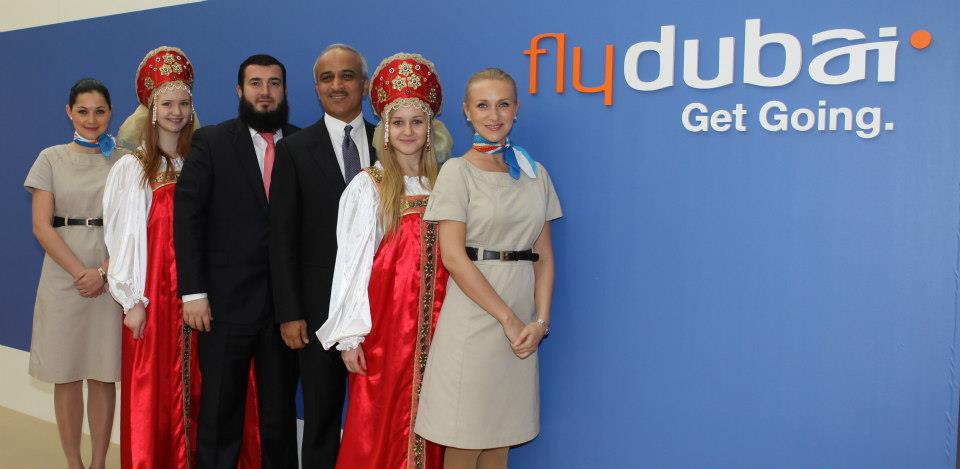
flydubai
Publicity Group served as flydubai’s PR, media, and crisis communication representative in Georgia over a 40-month engagement. We managed continuous media relations, producing two to three media materials monthly and achieving 30–40 media placements per month across television, radio, print, and online platforms. The scope included organizing three major media meetings, including the airline’s opening ceremony with senior Georgian and Dubai officials. Five media trips to Dubai and one to Sri Lanka were coordinated for Georgian journalists.
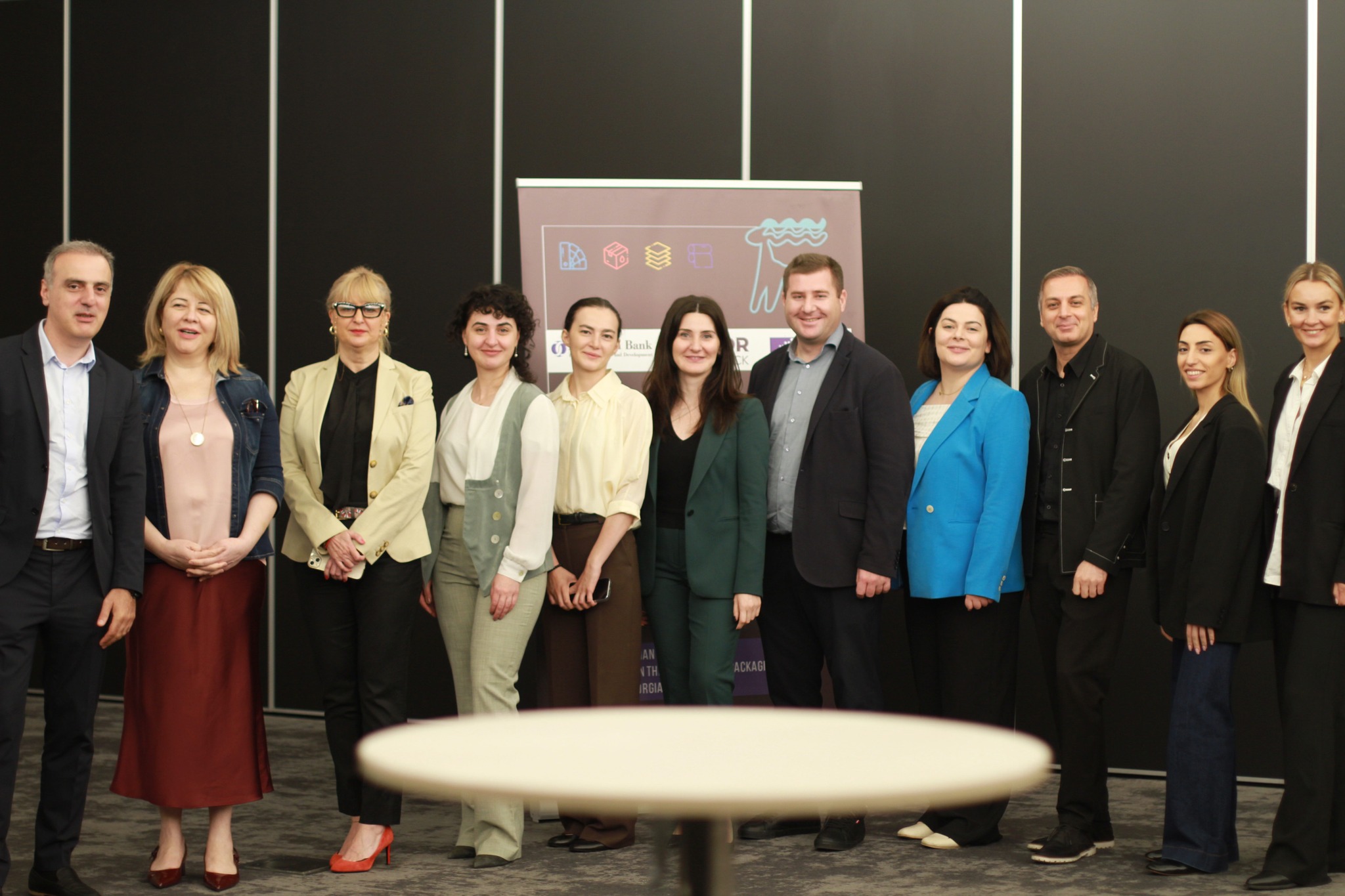
Georgia Human and Institutional Capacity Development Project (Chemonics)
Publicity Group acted as a sub-implementer with TBSC Consulting under the Chemonics-led institutional capacity development project. Our role focused on assessing and improving the effectiveness of the Ministry of Culture’s Public Relations Department. A comprehensive assessment process was conducted through questionnaires, online tools, and in-person interviews. Existing communication practices were analyzed to identify structural and operational gaps. Based on the findings, a detailed recommendations package was developed. Ministry staff received guidance on implementing strategic improvements. The work contributed to the Ministry’s broader organizational effectiveness reform.